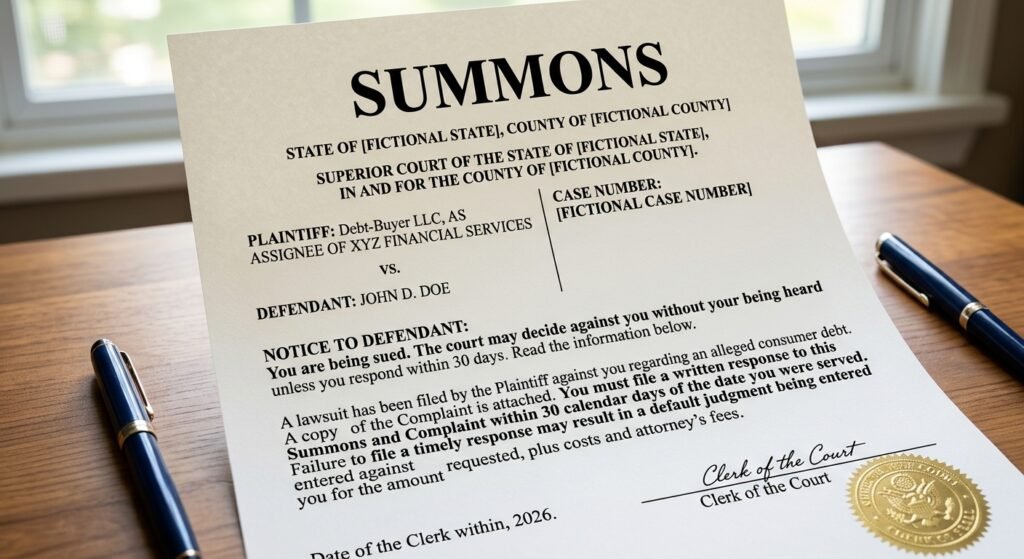
Receiving a lawsuit over an unpaid debt can turn an already difficult financial situation into a frightening one. You open the mailbox, see a court document with your name on it, and suddenly you're wondering what happens next. Can they take money from your paycheck? Can they freeze your bank account? What if you don't even recognize the company suing you?
Take a breath. You have options, but you need to act.
Being sued does not automatically mean the plaintiff has proven its case. You have the right to understand the allegations, review the evidence, and respond through the appropriate court process.
Why Is a Company I've Never Heard of Suing Me?
You might recognize the original credit card company or lender, but the name on the court papers looks completely unfamiliar. Instead of seeing the bank where you opened your account, you might see a company such as Midland Funding, LVNV Funding, or Resurgent Capital Services.
In many cases, the answer involves the debt-buying industry. A debt buyer purchases delinquent accounts from creditors. These accounts may include unpaid credit card balances, personal loans, and other consumer debts. If a buyer acquires an account and has the legal right to enforce it, it may attempt to collect the balance and, where permitted, file a lawsuit in its own name.
Some debt-purchasing arrangements involve affiliated companies or separate entities performing different roles. For example, Resurgent Capital Services may be involved in servicing or managing accounts associated with LVNV Funding. The precise role of each company depends on the account and the circumstances.
An unfamiliar company name does not automatically mean the lawsuit is invalid. But it is a reason to examine the plaintiff's claims carefully. Identify the named plaintiff and review what the complaint says about the account, its ownership, and the amount claimed.
Why Do Original Creditors Sell Delinquent Accounts?
Selling delinquent accounts can allow creditors to recover some money, reduce the administrative burden of managing certain accounts, and transfer collection activity to another company. Debt buyers often purchase portfolios of accounts at a discount from the balances claimed to be owed, then attempt to recover money through collection efforts, negotiated settlements, or lawsuits where legally permitted.
Major lenders do not all handle delinquent accounts the same way. Some continue collecting directly, some hire collection agencies, and others sell accounts. Credit unions can also pursue accounts themselves, use collection agencies, or sell or transfer certain debts. Practices vary by institution and account.
The company you originally borrowed from may not be the company pursuing you today. A debt buyer may contact you by phone, mail, or email before litigation, but collection practices and timelines vary. If collection efforts do not resolve the account, the company may decide to pursue a lawsuit.
How Does a Debt Buyer End Up Filing a Lawsuit?
The process may look something like this:
- You fall behind on payments.
- The original creditor attempts to collect the account internally or through a collection agency.
- The account may be sold or transferred to another company.
- The debt buyer or its collection representatives attempt to obtain payment.
- If collection efforts do not resolve the account, the company may choose to pursue litigation.
- A lawsuit is filed, and you are served with the required court documents.
Some companies pursue collection through large portfolios of accounts, and litigation may involve attorneys filing numerous cases. From the consumer's perspective, it can feel as though a company suddenly appeared out of nowhere. In reality, the lawsuit may be the latest stage of a collection process that began earlier.
What Happens If You Ignore a Debt Collection Lawsuit?
When people are already struggling financially, opening a lawsuit can feel unbearable. Some are embarrassed or angry. Others believe that if they cannot afford to pay, responding will not make any difference. A common reaction is to put the papers in a drawer and hope the problem disappears.
Unfortunately, a lawsuit does not ordinarily go away because you ignore it. If you fail to take the required action within the applicable deadline, the plaintiff may ask the court for a default judgment. If the legal requirements are met, the court may enter that judgment without hearing your defenses.
What Is a Default Judgment?
A default judgment is a court judgment entered against a defendant who has failed to respond or take another required step in a lawsuit, when the legal conditions for default are satisfied. It does not necessarily mean the court heard both sides at a trial; it may mean the case proceeded without your participation.
What Can Happen After a Judgment?
Depending on state law, the type of debt, applicable exemptions, and required procedures, a judgment creditor may be able to pursue additional collection measures, including:
- Wage garnishment: a legally authorized process requiring an employer to withhold part of your earnings.
- Bank account levy or garnishment: a process that may freeze or take funds, subject to applicable protections and procedures.
- Property liens: a judgment lien may affect certain property and complicate a sale or refinance.
- Additional interest and costs: a judgment may include legally permitted interest, court costs, or other authorized amounts.
Not every judgment allows every collection method. State law, federal protections, the type of debt, and the nature of your income or property all matter. Some income and property may be protected by exemptions.
How to Respond to a Debt Collection Lawsuit: Step by Step
Step 1: Read the Entire Summons and Complaint
Read every page. Identify the court, plaintiff, case number, allegations, and instructions about responding. Pay particular attention to the deadline. Do not rely on a generic deadline found online; the rules applicable to your case control. If you are unsure, contact a qualified attorney or the court clerk for procedural information.
Step 2: Identify Who Is Actually Suing You
Determine whether the plaintiff is your original creditor, a collection agency, a debt buyer, or another company claiming rights to the account. If you see a name such as Midland Funding or LVNV Funding, review what the complaint says about the account and the company's claimed right to enforce it.
Step 3: Review the Debt and Amount Claimed
Compare the allegations with your own records. Ask whether you recognize the account, whether the balance appears accurate, whether payments or credits are missing, whether the plaintiff claims to own the debt, and whether a statute-of-limitations issue may exist. These questions do not automatically invalidate a lawsuit, but they can identify matters that need investigation.
Step 4: Prepare and File a Formal Response
Depending on the court's rules, you may need to file a document commonly called an Answer or another permitted response. It must be prepared and submitted according to the applicable procedures and deadline. A phone call, email to a collector, or debt-validation letter may not satisfy the court's response requirements.
A response does not automatically mean you admit the debt. It is part of the legal process and may allow you to address allegations and raise appropriate defenses. If possible, have a consumer-law attorney review the complaint and help prepare the response. If you cannot afford one, look into legal aid or a consumer-law clinic.
Step 5: Keep Proof of Filing and Service
Keep copies of your response, filing confirmation, proof that required copies were served, notices from the court, and correspondence. Follow the court's filing and service requirements carefully. Do not assume the case is resolved just because you filed a response.
Step 6: Prepare for the Next Court Event
After a response is filed, the case may proceed through scheduling, settlement discussions, a hearing, arbitration where applicable, or other court procedures. The next step depends on the jurisdiction, case type, agreement, and court rules. Read every notice and attend any required proceeding.
Why Responding May Change the Course of the Lawsuit
When a defendant fails to respond, the plaintiff may be able to seek a default judgment without the defendant presenting a defense, subject to the applicable requirements. When the defendant properly responds, the case generally proceeds under the relevant court rules. The plaintiff may have to address contested issues, provide evidence, respond to motions, or participate in further proceedings.
That does not mean the debt buyer will automatically dismiss the case. Some plaintiffs continue litigating; others may consider settlement. In some cases, a party may fail to take a required step, a legal issue may affect the claim, or the case may be dismissed under applicable rules.
What If the Plaintiff Does Not Show Up?
If the plaintiff or its attorney fails to appear at a required proceeding, the judge may consider the circumstances and applicable rules. The matter could be continued, rescheduled, dismissed, or handled another way. A missed appearance does not always result in immediate dismissal.
Can You Challenge a Debt Buyer's Right to Sue?
You may be able to challenge a claim when the facts and applicable law support doing so. Relevant issues can include whether the debt is yours, whether the amount is correct, whether the plaintiff has the right to enforce the account, and whether the lawsuit was filed within the applicable limitations period.
Does the Company Have the Right to Collect This Account?
When a debt has been sold or transferred, the plaintiff may need to establish the legal basis for its ownership or enforcement rights. The documents and evidence required vary by jurisdiction and by the issues in dispute. Review what the complaint says about the original creditor, account, and any alleged transfer or assignment.
Is the Amount Correct?
Review the balance, including the original amount, interest, fees, payments, credits, and adjustments. Whether particular amounts are recoverable depends on the agreement, applicable law, and evidence. Identify specific discrepancies and gather records that support your position.
Is the Debt Too Old to Sue Over?
Many states have statutes of limitations restricting the time in which certain debt lawsuits can be filed. The applicable period depends on the debt, governing law, and relevant dates. An old debt is not automatically unenforceable. If you believe the deadline may have expired, seek legal advice promptly and do not ignore the case.
What If You Cannot Afford to Pay the Debt?
Responding to a lawsuit and deciding how to address a debt are separate questions. Depending on your circumstances, you may be able to dispute the claim, seek legal assistance, negotiate a settlement, or explore a payment arrangement. If you discuss settlement, get the terms in writing and make sure you understand how the remaining balance will be treated.
Do not promise payments you cannot realistically afford simply because you feel pressured. An attorney may also help you understand whether exemptions or other protections apply to your income or property.
What If a Default Judgment Has Already Been Entered?
Do not assume nothing can be done. In some circumstances, a court may permit a judgment to be set aside or challenged. Requirements and deadlines vary by jurisdiction and depend on the facts. Possible issues may include service, the reason for missing the deadline, or another basis for relief under applicable rules. Relief is not automatic.
Seek legal advice as soon as possible. Bring the lawsuit, judgment documents, and information about when and how you learned of the case. If a bank account has been frozen or garnishment proceedings have begun, ask about exemption procedures and deadlines.
Where Can You Get Help With a Debt Collection Lawsuit?
- Consumer-law attorney: can review the lawsuit, explain possible defenses, and advise you on the court process.
- Legal aid organization: may provide free or reduced-cost assistance if you qualify.
- Local bar association: may offer a lawyer referral service.
- Court clerk: can often provide procedural information and filing instructions, but generally cannot give legal advice.
- Official consumer resources: the CFPB and FTC publish information about debt collection rights and lawsuits.
Read the CFPB's guidance on being sued by a debt collector or creditor and the FTC's guide to what to do if a debt collector sues you.
Frequently Asked Questions
Do I have to respond if I don't recognize the company suing me?
You should take the lawsuit seriously even if the plaintiff's name is unfamiliar. The company may claim to have purchased the account from your original creditor. Review the complaint and respond by the court's deadline.
Does filing an Answer mean I admit I owe the money?
Not necessarily. A formal response is part of the legal process. Its contents matter, so seek legal guidance when possible.
Will the debt buyer automatically dismiss the case if I respond?
No. A response does not guarantee dismissal. The plaintiff may continue the lawsuit, pursue settlement, or participate in further proceedings.
Will I automatically get an arbitration date after filing a response?
No. Some cases involve arbitration, while others proceed through different court procedures. The next event depends on the jurisdiction, agreement, and court rules.
Can a debt buyer garnish my wages immediately after filing a lawsuit?
A lawsuit alone generally does not authorize ordinary private creditors to use post-judgment garnishment procedures. A judgment and additional legal steps are typically required, subject to applicable law and exceptions. State protections may also apply.
What if I missed the deadline to respond?
Act immediately. Contact an attorney or legal aid organization to determine whether any options remain. There may be procedures for addressing a missed deadline or seeking relief from a judgment, but relief is not automatic.
Should I contact the debt buyer's attorney?
Settlement discussions may be possible, but contacting the attorney does not replace a required court filing or extend your deadline unless applicable rules or a valid court order provide otherwise. Keep records and get any agreement in writing.
The Bottom Line: Do Not Let a Debt Collection Lawsuit Go Unanswered
When a summons arrives, it is tempting to put it aside and hope the problem will resolve itself. If the company suing you is unfamiliar, you may be confused about why it believes you owe money. But ignoring the lawsuit can leave you in a much more difficult position.
A debt buyer may claim it purchased your account from the original creditor. The plaintiff may have to establish its legal right to collect, the amount it claims, and the other elements required by law. Questions about ownership, the balance, or the statute of limitations deserve attention through the proper legal process.
Do not ignore the summons.
Read the entire document. Identify the plaintiff. Check the deadline. File the required response according to the court's rules, keep proof of your filings, and attend any required hearings.
You do not have to assume every claim is correct, but you should not assume a lawsuit will disappear if you ignore it. Taking action early gives you an opportunity to protect your rights, understand your options, and participate in the process.