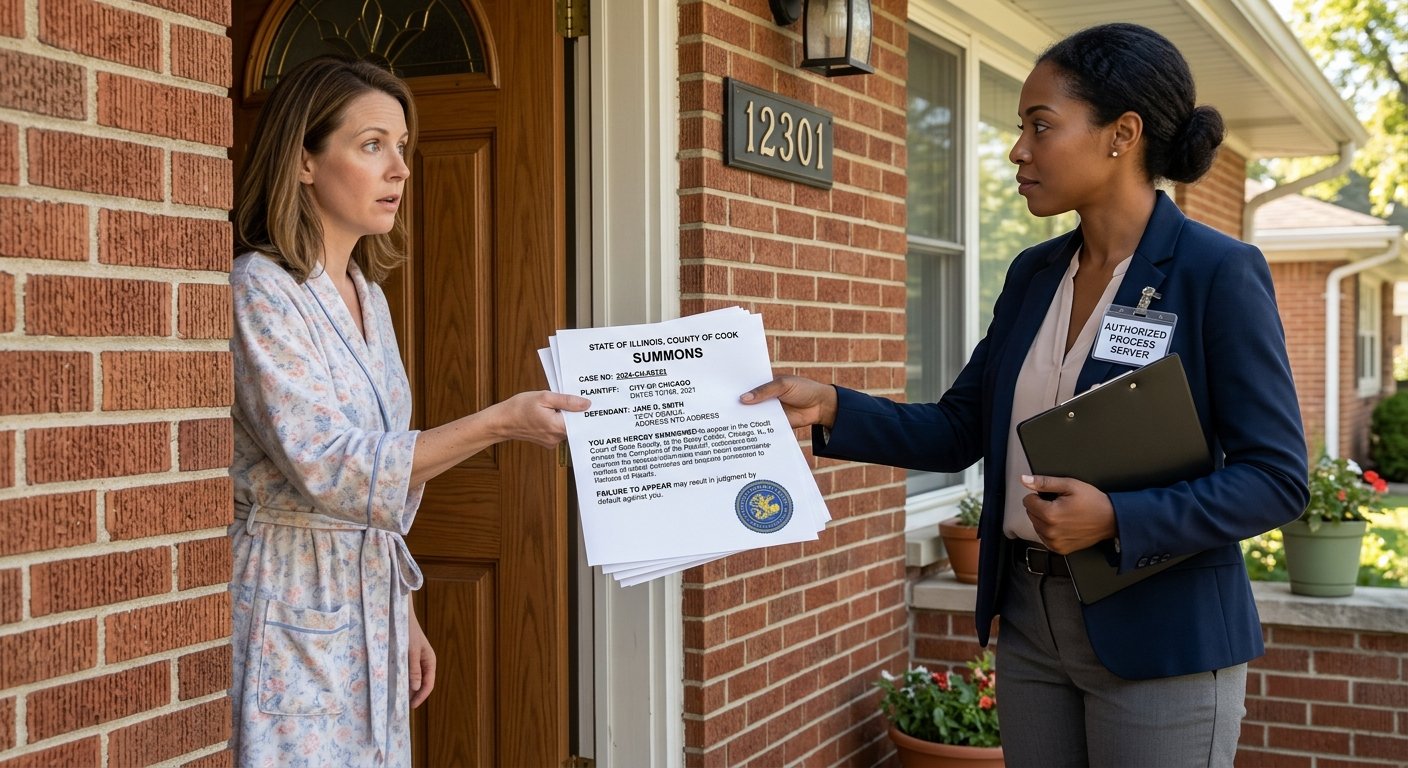
What Happens If a Creditor Takes You to Court? Debt Buyers, Default Judgments, and Your Rights
Receiving court papers over an unpaid debt can turn an already stressful financial situation into something that feels overwhelming. You might be behind on credit cards, personal loans, payday loans, or other bills. Maybe your phone has been ringing with collection calls, and now you're worried about losing money from your paycheck or bank account.
If you're asking, "What happens if a creditor takes me to court?", the most important thing to understand is this: a debt collection lawsuit is not something you should ignore, but being sued does not automatically mean the other side has proven its case.
To understand what may happen next, it helps to know who is suing you, how debt buyers operate, what a default judgment is, and what collection measures may become available after a judgment is entered.
What Happens When a Creditor Sues You for Debt?
When a creditor or debt buyer files a lawsuit, it is asking a court to enter a judgment requiring you to pay an alleged debt. The lawsuit may include the amount claimed to be owed, interest, court costs, and potentially attorney fees where allowed.
The process generally follows this path:
- A debt becomes delinquent. You fall behind on payments, and the original lender may attempt to collect the balance.
- The account moves into collections. The lender may use its own collection department or hire a third-party collection agency.
- The account may be sold. In some cases, the lender sells the account to a debt buyer, which may then pursue collection in its own name.
- A lawsuit is filed. The creditor or debt buyer asks the court for a judgment.
- You have an opportunity to respond. The court papers specify the procedures and deadlines that apply to your case.
- The court decides the case. If the plaintiff proves its claims, the court may enter a judgment. If you fail to respond or appear when required, the court may enter a default judgment.
- Post-judgment collection may follow. Depending on the state, the type of debt, and applicable exemptions, the judgment creditor may pursue legally available collection methods.
The most important turning point is often the lawsuit itself. Responding on time can help preserve your opportunity to challenge the claim before the creditor obtains a judgment.
Debt Collection Agencies vs. Debt Buyers: What's the Difference?
These two terms are often used interchangeably, but they describe different roles in the debt collection industry.
What Is a Debt Collection Agency?
A debt collection agency generally attempts to collect debts on behalf of another company. The original lender or another creditor typically still owns the account, while the agency is hired to pursue payment.
For example, suppose you owe $3,000 on a credit card. The credit card company hires ABC Collections to contact you about the unpaid balance.
ABC Collections may call, send letters, and pursue other lawful collection efforts. But simply because ABC Collections is contacting you does not mean it owns your account.
Depending on the arrangement and applicable law, the original creditor may remain the party entitled to sue, or a collection agency may take other steps on its behalf.
What Is a Debt Buyer?
A debt buyer is a company that purchases delinquent accounts from creditors, often in portfolios containing thousands of accounts.
Lenders may sell accounts they have been unable to collect through their ordinary collection efforts. They may receive only a fraction of the accounts' total face value in the sale.
For example, a debt buyer might purchase a portfolio containing $1 million in claimed balances for substantially less than $1 million. The buyer then attempts to collect the accounts it purchased, including through lawsuits where legally permitted.
Once a debt buyer purchases a particular account and has the legal right to enforce it, it may become the current owner of that account and sue in its own name. It does not literally become the original lender, and the original loan's history and terms do not simply disappear. The buyer must still establish its legal right to collect.
Here's the key difference
A collection agency usually collects for someone else. A debt buyer purchases the debt and generally attempts to collect for its own benefit.
Do Most Lenders Sell Delinquent Accounts to Debt Buyers?
Many lenders sell certain delinquent accounts, but not every lender sells every account. Some continue collecting internally, some hire third-party collection agencies, and others may sell accounts after a period of delinquency.
Credit card debt is a familiar example of debt that may eventually be sold to a debt buyer. Other types of consumer debt may also be sold, depending on the lender, the account, and the applicable law.
There are important exceptions. Some creditors, including credit unions, may retain accounts and pursue collection themselves rather than sell them. A credit union may also use a collection agency or pursue a lawsuit directly. The path depends on the institution and the account.
That means you should not assume that a company contacting you owns your debt—or that the company suing you is the original lender.
Read the court papers carefully. Identify the plaintiff, the amount claimed, and the basis for its claim. If a debt buyer is suing, it generally must establish that it has the right to enforce the particular account.
Why Do Debt Buyers File Lawsuits?
Debt buyers purchase accounts with the expectation of recovering money. Lawsuits can be one way to pursue that goal.
For some companies, filing lawsuits is part of a broader collection strategy. They may sue on accounts they believe are legally enforceable, then seek judgments against consumers who do not successfully defend the cases.
This is where a common consumer mistake becomes especially costly.
A person receives a summons, feels embarrassed or frightened, and puts the paperwork aside. They may think that if they cannot afford to pay, there is no point in responding. Others assume the debt buyer will eventually give up or that the lawsuit will simply disappear.
Unfortunately, that approach can backfire.
A lawsuit is a formal court proceeding. The plaintiff does not necessarily have to win a contested trial to obtain a judgment. If a consumer fails to respond as required and the legal conditions for default are met, the court may enter a default judgment without hearing the consumer's side of the case.
That is one reason debt collection lawsuits deserve immediate attention—even when the consumer believes the debt is inaccurate, too old to sue over, or owned by a company they have never heard of.
What Is a Default Judgment?
A default judgment is a court judgment entered because a defendant failed to take a required step in the lawsuit, such as filing a response within the applicable deadline.
Imagine that a debt buyer files a lawsuit claiming you owe $4,200 on an old credit card account. You receive the papers, but you do not respond because you cannot afford to pay the balance.
The case does not automatically disappear.
If the debt buyer meets the applicable legal requirements, the court may enter a default judgment. The judgment may include the amount awarded by the court and other amounts the court is legally permitted to award.
The consequences can be significant. A judgment may give the creditor stronger tools to pursue collection than it had before the lawsuit.
A default judgment also does not necessarily mean the court heard evidence from both sides or that the consumer agreed with the amount claimed. It can mean the case proceeded without the consumer presenting a defense.
The Federal Trade Commission and Consumer Financial Protection Bureau both warn consumers not to ignore debt collection lawsuits because failing to respond can result in a judgment. See the official guidance from the FTC and the CFPB.
What Happens After a Debt Buyer Gets a Judgment?
A judgment changes the collection landscape. Before a judgment, a creditor generally cannot use ordinary civil judgment-enforcement procedures to seize your property or garnish your wages for a typical consumer debt. After a judgment, the creditor may be able to pursue additional legal remedies, depending on state law and the type of debt.
These remedies may include the following.
1. Wage Garnishment
Wage garnishment occurs when a legally authorized order requires an employer to withhold part of a worker's earnings and send the withheld amount toward a debt.
Whether a creditor can garnish wages for an ordinary consumer debt depends heavily on state law. Some states provide stronger protections than federal law, and certain types of income receive additional protection.
Do not assume that every judgment allows a creditor to garnish your paycheck. Check the law where you live and seek legal advice if you receive garnishment papers.
2. Bank Account Garnishment or Levy
A judgment creditor may be able to obtain a court order directed to your bank, requiring the bank to freeze or turn over funds as permitted by law.
This can be especially disruptive if the account contains money needed for rent, utilities, groceries, or other essentials.
However, some funds are protected by federal or state exemptions. Certain federal benefits, including Social Security and Supplemental Security Income, generally have protections against garnishment by ordinary private creditors, subject to exceptions and specific rules.
If your account is frozen, do not assume that all the money is legally available to the creditor. The source of the funds and the procedures for claiming exemptions may matter.
3. Property Liens
Depending on the state, a judgment creditor may be able to record a judgment lien against certain property.
A lien can affect the owner's ability to sell or refinance property and may need to be addressed before a transaction can be completed. Whether a lien can attach to a particular property—and whether that property is protected by a homestead or another exemption—depends on applicable law.
A lien is not the same as an immediate seizure of your home. The legal consequences and available enforcement options vary considerably by state.
4. Additional Collection Costs and Interest
Depending on the contract, the applicable law, and the judgment, the amount owed may include interest, court costs, and attorney fees that the court permits.
This is another reason to review the lawsuit rather than assume the amount claimed is automatically correct.
For more information, the CFPB explains how judgments and garnishment work in its guides to judgments and wage and benefit garnishment.
Can a Debt Buyer Sue You If You Don't Recognize the Company?
Yes, potentially. A debt buyer may purchase an account from the original creditor and then sue in its own name if it has the legal right to enforce the debt. That is why a company you have never dealt with may appear as the plaintiff in a lawsuit.
But unfamiliarity with the company is not a reason to ignore the case.
Review the complaint and determine what the plaintiff claims. Depending on the facts and applicable law, relevant questions may include:
- Is this account actually yours?
- Is the amount claimed accurate?
- Does the plaintiff have the legal right to collect the account?
- Is the account history consistent with your records?
- Has the applicable statute of limitations expired?
- Were you properly served with the lawsuit?
- Are any payments, credits, disputes, or other defenses missing from the plaintiff's account of events?
A debt buyer may need to establish its ownership of the account, the amount owed, and the legal basis for its claim. The documents and evidence required depend on the jurisdiction and the issues being contested.
You do not have to assume that a lawsuit is correct simply because it has been filed. But you should raise any valid defenses through the proper court process and within the applicable deadlines.
What Should You Do If a Creditor or Debt Buyer Sues You?
If you receive a summons and complaint, focus on protecting your legal position rather than reacting out of fear.
Step 1: Read Every Page of the Court Papers
Identify the court, the plaintiff, the case number, the claims being made, and the response deadline. Do not rely on a phone call from a collector to tell you what you must do.
Step 2: Do Not Ignore the Deadline
The required response and the deadline vary by jurisdiction and court. Some cases require a written answer; others may involve additional procedures. Follow the instructions in the papers and consult an attorney if you are unsure.
Filing a response does not automatically mean you admit the debt. A response may help preserve your opportunity to dispute the allegations and raise applicable defenses.
Step 3: Review the Debt and the Plaintiff's Evidence
Compare the complaint with your records, including account statements, payment history, correspondence, and any sale or transfer information provided.
If the debt is unfamiliar, the balance appears wrong, or the plaintiff's ownership is unclear, those are issues to discuss with a consumer-law attorney or raise through the appropriate court procedure.
Step 4: Check the Statute of Limitations
States impose time limits on many debt collection lawsuits. The applicable period depends on the type of debt and the relevant law.
An old debt is not automatically unenforceable simply because it is old. But if the lawsuit concerns a time-barred debt, that may provide a defense. Do not ignore the case on the assumption that the deadline has expired; raise the issue properly.
Step 5: Seek Legal Help
If possible, speak with an attorney who handles consumer debt defense. If you cannot afford private representation, look into legal aid, local legal clinics, or your state bar's referral services.
If a default judgment has already been entered, prompt legal advice is important. A court may allow a judgment to be challenged or set aside under specific conditions and deadlines, but relief is not automatic.
Step 6: Keep Copies of Everything
Save the summons, complaint, letters, account statements, proof of payments, and any documents you file with the court. Keep records of dates and communications.
Good records can help you understand the claim and support your position if a dispute arises.
Can You Stop a Lawsuit by Ignoring Collection Calls or Refusing to Accept Papers?
No. Ignoring calls is not the same as ignoring a court summons, and refusing delivery or avoiding service generally will not make a lawsuit disappear.
If a lawsuit has been properly served—or the court otherwise determines that the applicable service requirements have been met—the case may continue even if you do not participate.
The practical risk is that the plaintiff may obtain a judgment without your side being presented.
You also should not assume that every letter or phone call is a lawsuit. A collection notice is different from a summons and complaint. Verify what you have received, and if court papers are involved, act according to the applicable court requirements.
What If You Cannot Afford to Pay the Debt?
Not being able to pay the full amount does not mean you should abandon your rights.
Depending on the facts, you may be able to dispute the claim, raise a defense, explore a lawful resolution, or seek legal assistance. If you decide to discuss a payment arrangement, make sure you understand the terms and get any settlement agreement in writing before sending money.
Do not promise payments you cannot realistically make simply because you feel pressured. And be cautious about sharing financial information with anyone whose identity and authority you have not verified.
If the debt is valid, you may still have options. If the debt is inaccurate or the lawsuit has legal problems, those issues deserve attention before you make decisions about payment.
What About Credit Union Debt?
Credit unions can pursue delinquent accounts themselves, refer accounts to collection agencies, or in some circumstances transfer or sell debts. There is no single process that applies to every credit union.
Some credit unions retain accounts and handle collection directly, so the company contacting you or filing suit may be the original creditor rather than a debt buyer.
If you are sued over a credit union account, the same core advice applies: identify the plaintiff, read the complaint carefully, check the deadline, and investigate whether the amount and legal basis for the claim are correct.
Do not assume that the rules are different simply because the lender is a credit union. The account agreement, the type of debt, and the applicable state and federal law all matter.
The Bottom Line: Don't Let a Debt Lawsuit Turn Into a Default Judgment
When a creditor or debt buyer takes you to court, the biggest mistake is assuming that the lawsuit will go away if you ignore it.
Many consumers are already under financial pressure when court papers arrive. It can be tempting to put them aside, especially if paying the debt seems impossible. But failing to respond can give the plaintiff an opportunity to obtain a default judgment—and a judgment may open the door to additional collection measures permitted by law.
Understand who is suing you. Find out whether the plaintiff owns the account or is collecting for someone else. Review the amount claimed, check the deadline, and seek help if you need it.
You don't have to assume every claim is correct.
You should not assume every creditor has the same collection powers, either. The law provides procedures for resolving disputes, but you generally need to take action to use them.